

This Podgorica travel guide covers the best things to do in Montenegro’s capital, where to stay, how long to spend, when to visit, and how to use the city as a practical base for exploring Lake Skadar, Ostrog Monastery, the coast, and the mountains.
Podgorica is not the most spectacular destination in Montenegro — but it can be one of the most useful. With airport access, local restaurants, riverside walks, wine experiences, and excellent day-trip options, the capital works best as a smart, relaxed base rather than a classic sightseeing city.
🟦 Why Visit Podgorica?
Podgorica offers a very different experience from coastal destinations like Budva or Kotor. It is less about postcard scenery and more about local life, easy logistics, cafés, rivers, wine, and access to the rest of Montenegro.
Best for:
- A practical first or last stop in Montenegro
- Airport arrivals and departures
- Cafés, restaurants, wine, and local life
- Day trips to Lake Skadar, Ostrog, the coast, and central Montenegro
🟦 Is Podgorica Worth Visiting?
Yes — but only if you visit it with the right expectations. Podgorica is not a dramatic old town like Kotor, and it is not a beach destination like Budva. Its value is different: it is a relaxed capital where you can experience everyday Montenegro, eat well, enjoy cafés, explore riverside areas, and organize easy day trips.
Podgorica is especially worth visiting if you have a flight in or out of the capital, if you want to visit Lake Skadar, or if you prefer a less touristy base than the coast.
🟦 Where to Stay in Podgorica
The best areas to stay are:
- City Center: the most convenient base for restaurants, cafés, shopping, and short stays.
- Preko Morače: a good choice for a more residential feel, with easy access to the river, modern Podgorica, and green areas.
- Near the airport: useful for very early departures or late arrivals, but less interesting for sightseeing.
✦ For most travelers, the city center is the safest and easiest choice.
🟦 Quick Podgorica Itinerary
If you only have one day in Podgorica, keep the itinerary simple and relaxed.
- Morning: Stara Varoš, Clock Tower, Ribnica Bridge, and coffee in the city center.
- Afternoon: Cathedral of the Resurrection of Christ, Millennium Bridge, and a walk near the Morača River.
- Late afternoon: Gorica Hill or Cijevna Waterfall if you have a car.
- Evening: dinner in the city center or a local wine experience.
🟦 Best Things to Do in Podgorica
Podgorica is not about ticking off world-famous landmarks. The best way to enjoy the city is to combine historic corners, river views, green spaces, cafés, food, wine, and short escapes into nature.
1. Walk Around Stara Varoš and the Ribnica Bridge
Stara Varoš is the historic Ottoman-era part of Podgorica and one of the best places to start understanding the city.
The nearby Ribnica Bridge and the meeting point of the Ribnica and Morača rivers create one of the most atmospheric corners of the capital.
✦ What to expect:
- Historic streets and quiet corners
- The Clock Tower area
- Riverside views near the Ribnica
- A good introduction to old Podgorica
✦ Tip: visit in the morning or late afternoon, when the light is softer and the area feels more pleasant.
2. Relax on Gorica Hill
Gorica Hill is one of the best green escapes in Podgorica and the place that gave the city its name.
It is ideal for a short walk, a quiet break, or a simple nature escape without leaving the city. If you are staying in the center, it is one of the easiest ways to add greenery to your visit.
✦ What to do:
- Take a short walk above the city
- Enjoy shade during warmer months
- Combine it with a city center visit
✦ Tip: go early in summer, as Podgorica can become very hot during the day.
3. Visit the Cathedral of the Resurrection of Christ
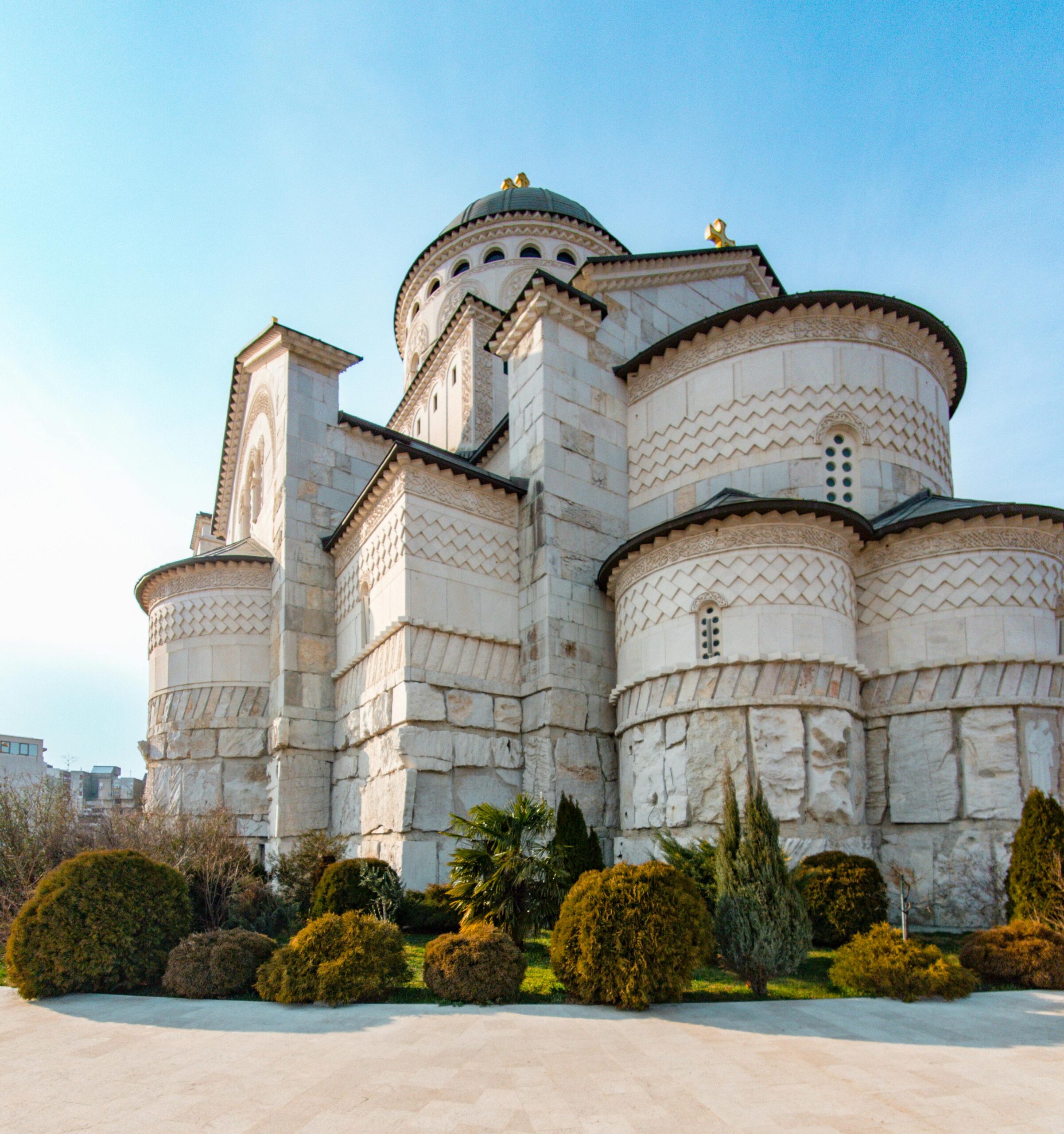
The Cathedral of the Resurrection of Christ is one of Podgorica’s most recognizable landmarks and one of the most impressive religious buildings in the city.
Its scale, architecture, and interior decoration make it one of the easiest cultural stops to add to a Podgorica itinerary.
✦ Why it’s worth it:
- Large-scale Orthodox architecture
- Rich interior decoration
- Easy to combine with a walk through modern Podgorica
✦ Ideal for first-time visitors, architecture lovers, and travelers who want a short cultural stop in the capital.
4. See the Millennium Bridge and Walk Along the Morača River
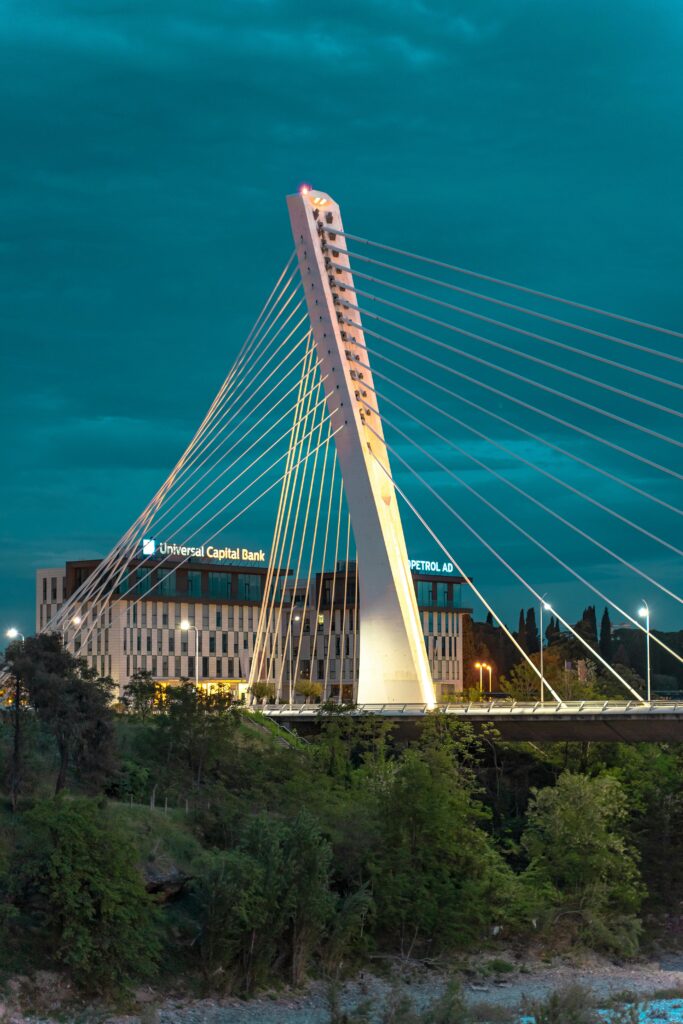
The Millennium Bridge is one of the modern symbols of Podgorica and a useful landmark when exploring the city center.
The bridge itself is a quick stop, but the surrounding Morača River area helps connect the older and newer sides of the city.
✦ What you’ll find:
- Views over the Morača River
- A pleasant urban walk
- Good photo opportunities at sunset or after dark
5. Visit Cijevna Waterfall — Montenegro’s “Niagara Falls”
Just outside Podgorica, the Cijevna waterfall is one of the easiest nature escapes from the capital.
It is often nicknamed Montenegro’s “Niagara Falls”, although the experience depends heavily on the season and water levels.
✦ You may enjoy:
- A short scenic drive from the city
- River views and natural pools
- A relaxed meal or drink nearby
✦ Best time: spring and early summer, when the water flow is stronger. In late summer, water levels can be much lower.
6. Taste Local Wine Around Podgorica
Podgorica is also a good base for discovering Montenegro’s wine culture, especially local varieties such as Vranac.
Wine experiences are a strong addition to a Podgorica stay because they give the city a more memorable, local dimension than a simple transit stop.
✦ What to do:
- Visit wineries around the capital
- Try Montenegrin reds and local food pairings
- Combine wine tasting with Lake Skadar or a countryside drive
🟦 Best Day Trips from Podgorica
One of the strongest reasons to stay in Podgorica is not only the city itself, but what you can reach from it. The capital is one of the most practical bases for exploring central Montenegro and the south of the country.
- Lake Skadar: one of the best and easiest day trips from Podgorica, ideal for boat tours, nature, and photography.
- Ostrog Monastery: one of Montenegro’s most famous religious sites and a major cultural stop.
- Cijevna Waterfall: a quick nature escape very close to the capital.
- Cetinje: a historic former royal capital that pairs well with a scenic drive.
- The coast: Budva and Kotor are possible as longer day trips, though they are better enjoyed with more time.
🟦 How to Get to Podgorica
- From Podgorica Airport: around 15–20 minutes by car
- From Budva: around 1 hour by car
- From Kotor: around 1h30–2h by car, depending on traffic and route
- From Lake Skadar: around 30–45 minutes by car, depending on your exact starting point
✦ Podgorica is one of the easiest places in Montenegro to use as a travel hub.
🟦 Best Time to Visit Podgorica
- April – June: pleasant for walking, cafés, green spaces, and day trips
- July – August: very hot, better for short stops, evening walks, and air-conditioned breaks
- September – October: ideal balance for the city, countryside, and Lake Skadar
- Winter: quieter, with better chances of seeing Cijevna waterfall with more water
🧭 How Long to Stay in Podgorica
- Half day: main city highlights and a café stop
- 1 day: city center, Gorica Hill, cathedral, Millennium Bridge, and Cijevna waterfall
- 2+ days: use Podgorica as a base for Lake Skadar, Ostrog, wineries, or countryside trips
💡 Travel Tips for Podgorica
- Do not expect a coastal old town like Kotor — Podgorica is more urban and understated.
- Use it as a base if you want easy access to Lake Skadar, Ostrog Monastery, or airport logistics.
- Avoid long walks in the middle of the day in July and August.
- Spend time in cafés and restaurants — this is where the city feels most local.
- Renting a car makes Podgorica much more useful, especially for day trips.
🟦 Getting Around Podgorica
Podgorica is not difficult to navigate, but it is more spread out than it first appears. The central areas can be explored on foot, while taxis, transfers, or a rental car are useful for anything outside the center.
- On foot: best for the city center, Stara Varoš, cafés, and river areas.
- Taxi: useful for short city rides and airport transfers.
- Rental car: recommended if you plan to visit Lake Skadar, Ostrog, wineries, or Cijevna waterfall.
🟦 FAQ About Podgorica
Is Podgorica worth visiting?
Podgorica is worth visiting if you want a practical, less touristy base in Montenegro. It is not as scenic as Kotor or as beach-focused as Budva, but it offers local life, restaurants, cafés, riverside walks, wine experiences, and easy day trips.
How many days do you need in Podgorica?
Most travelers only need half a day to one full day for the main sights in Podgorica. If you want to use the city as a base for Lake Skadar, Ostrog Monastery, wineries, or countryside trips, two nights can make sense.
What is Podgorica known for?
Podgorica is known as Montenegro’s capital and main transport hub. It is also known for its rivers, cafés, modern and historic contrasts, nearby wine region, and easy access to Lake Skadar and central Montenegro.
Is Podgorica better than Kotor?
No — for most first-time visitors, Kotor is more spectacular and more memorable. Podgorica is better for airport logistics, lower-key city life, restaurants, and day trips inland. Ideally, visit both for different reasons.
Can you visit Lake Skadar from Podgorica?
Yes. Lake Skadar is one of the easiest and best day trips from Podgorica. By car, you can reach the lake area in around 30–45 minutes, making it ideal for boat tours, nature, and photography.
Do you need a car in Podgorica?
You do not need a car for the central parts of Podgorica, but a car is highly useful if you want to visit Lake Skadar, Cijevna waterfall, Ostrog Monastery, wineries, or the surrounding countryside.
🟦 Plan Your Trip
To help you plan your trip, check these guides:
🟦 Final Thoughts
Podgorica is not the most obvious highlight of Montenegro, but it is one of the country’s most useful places to understand and use well.
If you approach it as a relaxed capital, a food and café stop, and a strategic base for day trips, it can become a surprisingly valuable part of your Montenegro itinerary.