Croatia–Montenegro border crossing: how to get from Dubrovnik to the Bay of Kotor smoothly
Most travellers enter Montenegro by road from Dubrovnik. The drive is short, but the border is a Schengen external frontier with full checks. Here is how it works, what to bring and how to avoid the worst queues.
By the Montenegro Insider team. Updated November 2026.
In short
Main crossing: Debeli Brijeg (Montenegro) – Karasovići (Croatia), on the coast road between Dubrovnik and Herceg Novi.
Smaller crossing: Kobila – Vitaljina, on the Prevlaka peninsula side, sometimes quicker in summer.
Documents: passport or EU ID card; for drivers, licence, registration and proof of insurance; rental cars need cross-border permission.
Waiting time: a few minutes off-season; 30 minutes to 2 hours or more on summer weekends.
The two main crossings
Between Dubrovnik and the Bay of Kotor, two road crossings serve travellers:
Debeli Brijeg – Karasovići: the main crossing on the coast road (E65/E80), used by almost all cars and buses between Dubrovnik and Herceg Novi. Open 24 hours, all year.
Kobila – Vitaljina: a smaller crossing further south-west towards the Prevlaka peninsula. It can be quicker on busy summer days, but the roads are narrower and it is mainly used by locals.
Further north, there are crossings towards Bosnia and Herzegovina (Trebinje), useful if you combine Montenegro with Mostar or Sarajevo, but they are not covered here.
A Schengen external border
Since January 2023, Croatia has been part of the Schengen area, while Montenegro is not. The Croatia–Montenegro border is therefore an external Schengen border:
passports or ID cards are checked on both sides;
non-EU travellers have their entry and exit recorded;
customs rules apply (tobacco, alcohol, cash over €10,000, food of animal origin).
The Entry/Exit System (EES)
The EU's Entry/Exit System began operating progressively on 12 October 2025. Travellers who are not EU, EEA or Swiss citizens are registered with fingerprints and a facial image the first time they enter the Schengen area under the system. In practice, this mainly affects the journey from Montenegro back into Croatia, and can add time when queues are long. EU citizens are not concerned.
Documents to bring
Passport or, for EU/EEA/Swiss citizens, a valid national ID card.
Visa if your nationality requires one for Montenegro (check before travelling).
Driving licence (an international permit may be required for some non-EU licences).
Vehicle registration and proof of insurance valid in Montenegro.
Rental cars: the company's written authorisation to leave Croatia, plus the insurance documents for Montenegro.
Waiting times and how to avoid queues
Traffic depends heavily on the season and the day:
October to May: usually just a few minutes.
June and September: moderate waits, longer on weekends.
July and August: long queues are common, especially on Saturdays, Sunday evenings and around midday. One to two hours, sometimes more, is not unusual.
Tips:
cross early in the morning (before 8 am) or late in the evening;
avoid Saturdays, the main changeover day for holiday rentals;
carry water and snacks in summer, and keep fuel and air conditioning in mind;
check live webcams or local traffic apps before leaving;
consider Kobila – Vitaljina if the main crossing is saturated and you are comfortable on small roads.
Rental cars
Most rental companies in Croatia allow trips to Montenegro, but:
you must declare it when booking;
a cross-border fee is usually charged;
you must carry the insurance card valid for Montenegro;
one-way rentals (pick up in Croatia, drop off in Montenegro) are possible but expensive.
Several daily buses link Dubrovnik with Herceg Novi, Kotor and Budva. Passengers stay on board or get off for the passport check; the process is the same, but buses can be slowed by long queues in summer. Private transfers are a comfortable alternative and often know the quietest times to cross.
Dubrovnik to the Bay of Kotor: the route
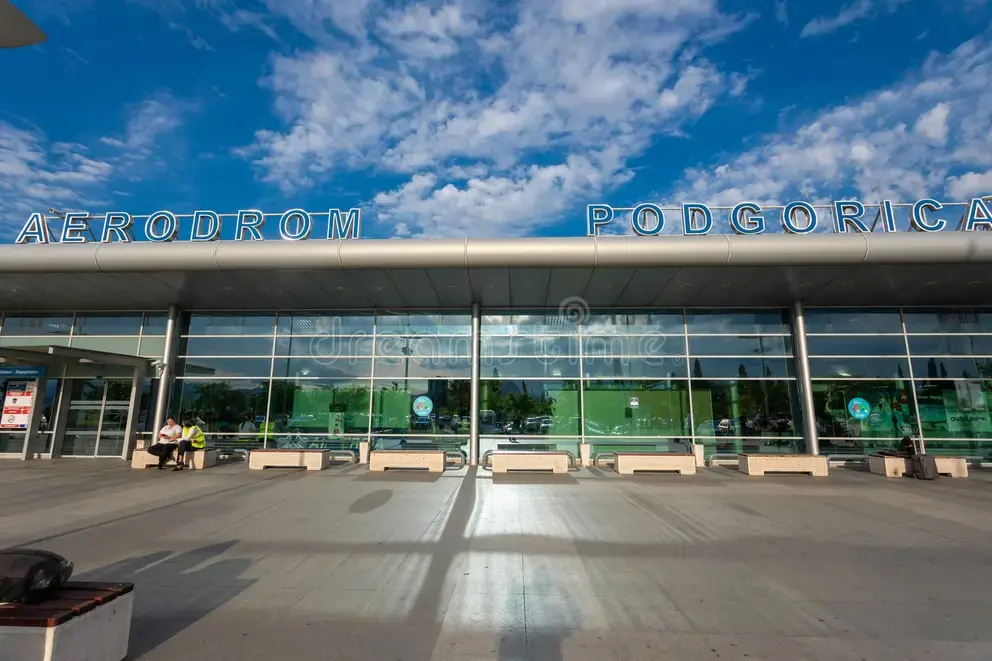
Dubrovnik airport → border (Debeli Brijeg): about 20 km, 20–25 minutes.
How long is the wait at the Croatia–Montenegro border?
Outside summer, usually 5–20 minutes. In July and August, and especially on Saturdays and around midday, waits of one to two hours or more are common at Debeli Brijeg. Early morning and late evening are generally the quietest times.
Do I need a passport to go from Croatia to Montenegro?
EU, EEA and Swiss citizens can cross with a valid national ID card or passport. Other nationalities need a passport, and some need a visa for Montenegro. Croatia is in the Schengen area, so this is an external Schengen border with full checks in both directions.
Can I take a Croatian rental car to Montenegro?
Usually yes, but only with the rental company's written permission and the right insurance documents (often called a cross-border card or green card). Many companies charge a cross-border fee. Declare it when booking, not at the counter.
What is the EES and does it affect this border?
The EU Entry/Exit System (EES) registers non-EU travellers' entries into and exits from the Schengen area, with fingerprints and a facial image. It has been rolled out progressively since October 2025. If you are not an EU citizen, expect registration when re-entering Croatia, which can add time at busy periods.