Cetinje travel guide: the royal capital between Lovćen and Lake Skadar
A small mountain town that was a European capital: monasteries, palaces, former embassies and the museums that tell Montenegro's story, 40 minutes from the coast and a short drive from Lovćen and Lake Skadar.
By the Montenegro Insider team. Updated November 2026.
Cetinje670 m
In short
Best for: history, museums, architecture, and a cooler, quieter break from the coast.
Don't miss: Cetinje Monastery, King Nikola's Palace, the Biljarda relief map, the old embassies, the Vlaška church.
How long: half a day for the centre; a full day with Lovćen and Njeguši; one night to see it calm.
Getting there: 30–40 min from Budva, about 40 min from Podgorica, about 1 hour from Kotor via Njeguši.
Why visit Cetinje?
For more than four centuries, Cetinje was the heart of Montenegro. Ivan Crnojević founded its monastery in 1484 after retreating from the Ottomans, and the town became the seat of the prince-bishops, then of King Nikola. Before the First World War, the great powers kept embassies here, which explains why a town of a few thousand people has grand residences, a royal palace and a theatre.
Today Cetinje is the "old royal capital" and the seat of the President of Montenegro. It is calm, green and slightly melancholic, with museums that give real meaning to everything you see elsewhere in the country.
Best for:
travellers who want to understand Montenegro, not just see it;
a cooler day out from Budva or Kotor in summer;
road trippers combining Lovćen, Njeguši and Lake Skadar.
Best things to do in Cetinje
1. Visit Cetinje Monastery
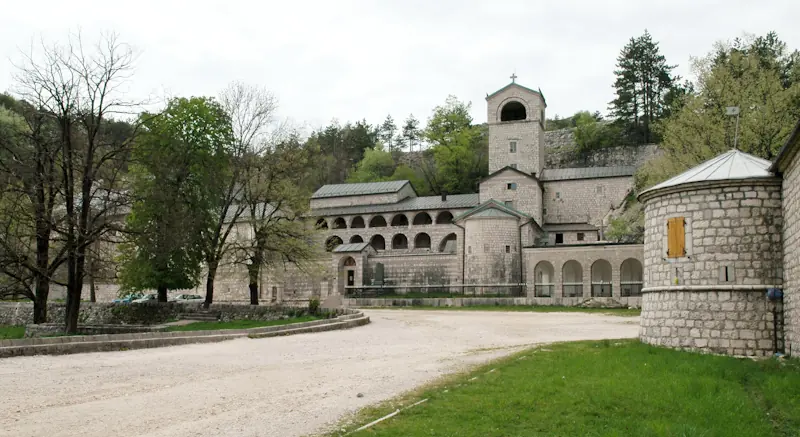
The monastery, rebuilt several times after Ottoman attacks, is the spiritual heart of Montenegro. It holds important relics and a treasury of manuscripts and liturgical objects. Dress modestly (shoulders and knees covered) and keep your voice low: it is an active monastery, not a museum.
2. Explore the National Museum
The National Museum of Montenegro is spread over several buildings in the centre. The essentials:
King Nikola's Palace, with its furniture, portraits, weapons and decorations from the last Montenegrin court;
the Biljarda, Njegoš's residence, named after the billiard table he brought up the mountain, with a large relief map of Montenegro in a pavilion next door;
the History and Art Museums, in the former Government House, for the long story from the Middle Ages to the 20th century.
A combined ticket is usually the best value if you plan to visit more than one site.
3. Walk past the former embassies
Cetinje's diplomatic quarter is unique in the Balkans. The former embassies of France, Russia, the United Kingdom, Italy, Austria-Hungary and others are scattered around the centre, many now housing faculties, institutes or cultural spaces. The French embassy, with its colourful tiled façade, is the most photographed.
4. See the Vlaška church
This small church, one of the oldest in town, is surrounded by a fence made from the barrels of rifles captured in battle. It sums up Cetinje: modest in size, heavy with history.
5. Have a coffee on Njegoševa Street
The pedestrian main street is lined with cafés, small shops and old townhouses. It is the best place to feel the rhythm of the town, especially in the late afternoon.
Day trips and the classic Cetinje loop
Cetinje sits at the centre of a remarkable area:
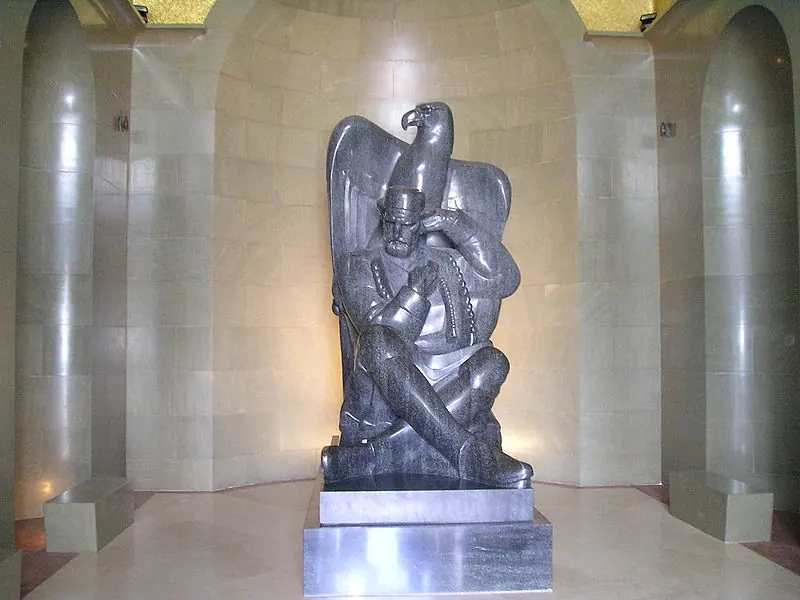
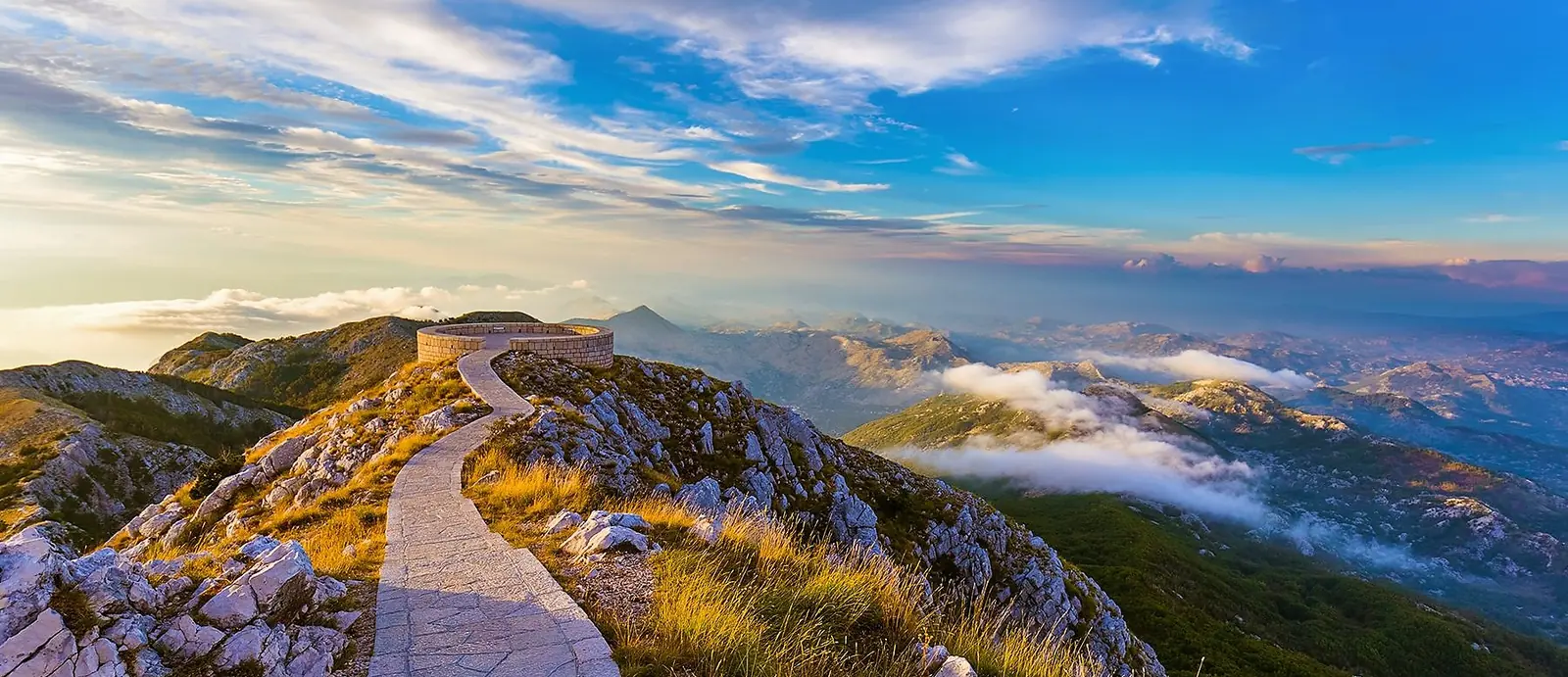
Lovćen National Park and the Njegoš Mausoleum (about 20 km): 461 steps to the summit tomb and one of the great viewpoints of the Balkans. See our Lovćen guide.
Njeguši (about 15 km): the stone village famous for its smoked ham and cheese, on the old road to Kotor.
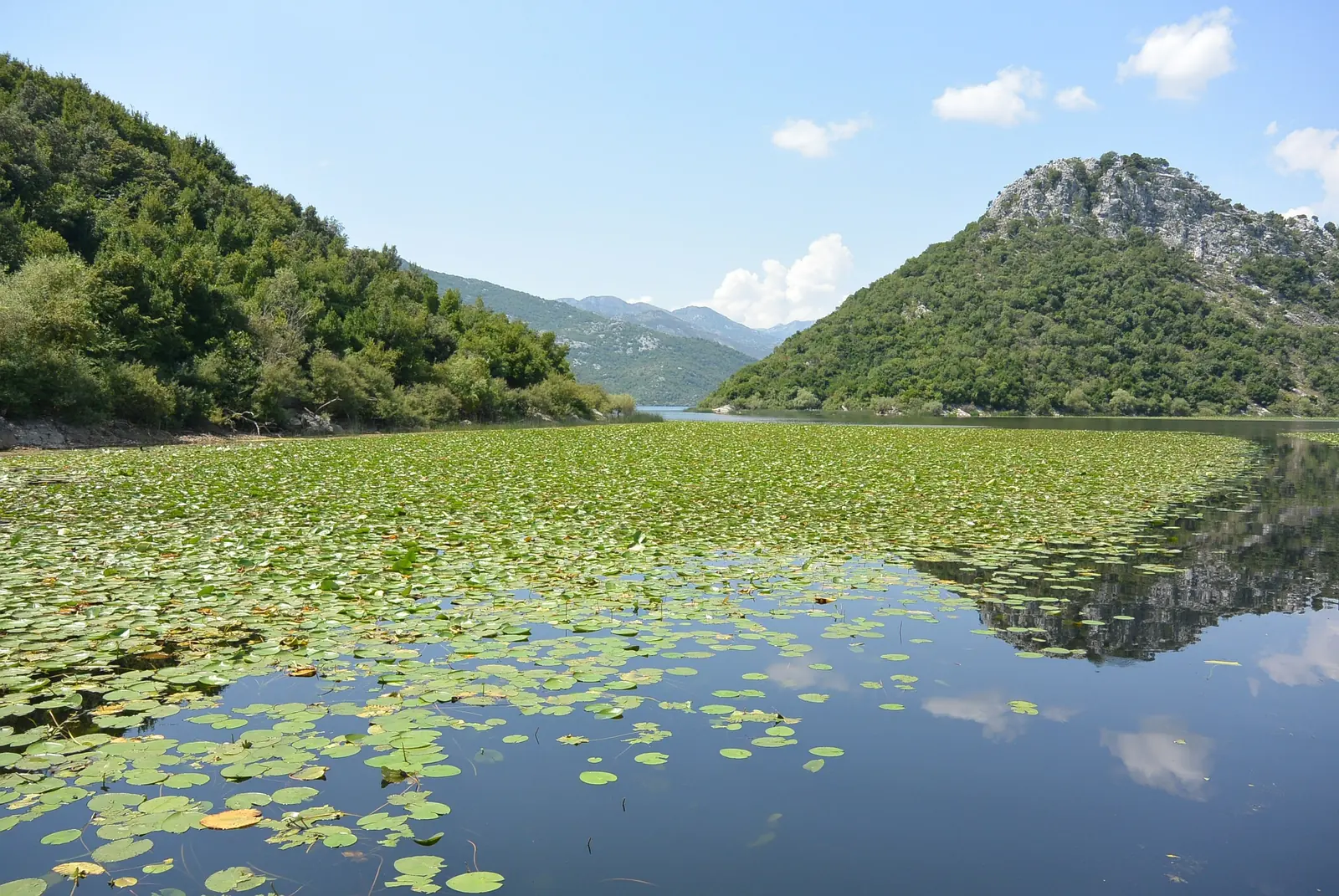
Lake Skadar and Virpazar: continue south-east for a boat trip on the lake. See our Lake Skadar guide.
The classic day from the coast is Kotor → serpentine road → Njeguši → Lovćen → Cetinje → Rijeka Crnojevića → Budva. Start early: the serpentine road is slow and the mausoleum is best before midday.
Where to stay
Most people visit Cetinje on a day trip, but one night lets you see the town quiet in the evening and start Lovćen early. Options are mostly guesthouses and small hotels in or near the centre, with easy parking. It is also a practical overnight stop on a road trip between the coast and Lake Skadar or Podgorica.
Best time to visit
May to October: the best period; summer days are fresh compared with the coast.
Winter: quiet and often wet or snowy; museums stay open but Lovćen roads can be closed.
Midday in summer: the busiest time, when coach tours arrive.
Getting there
From Budva: 30–40 minutes by car; regular buses.
From Podgorica: about 40 minutes on the main road.
From Kotor: about 1 hour via the serpentine road and Njeguši (longer with stops), or via Budva.
The centre is compact and flat enough to explore on foot. Parking is easier than on the coast.
For more on Montenegro's history and the Petrović dynasty, our French-language partner site Crnagora.fr goes deeper into the country's culture and heritage.
Yes. It is the best place to understand Montenegro's history and identity, and it combines naturally with Lovćen, Njeguši and Rijeka Crnojevića. Do not expect a resort: it is a small, quiet town with a dignified, slightly faded charm.
How long do you need in Cetinje?
Three to four hours cover the monastery, the main museums and a walk through the centre. A full day lets you add Lovćen and the Njegoš Mausoleum, or Rijeka Crnojevića on the way to Lake Skadar.
Is Cetinje a good day trip from Budva or Kotor?
Yes. From Budva it is 30–40 minutes. From Kotor, the best route climbs the serpentine road to Njeguši and Lovćen first, then continues to Cetinje: one of the classic days in Montenegro.
What is the weather like in Cetinje?
Cetinje sits at about 670 m in a karst basin and is one of the rainiest towns in Europe, especially from autumn to spring. Summers are pleasant and cooler than on the coast. Bring a layer at any season.