
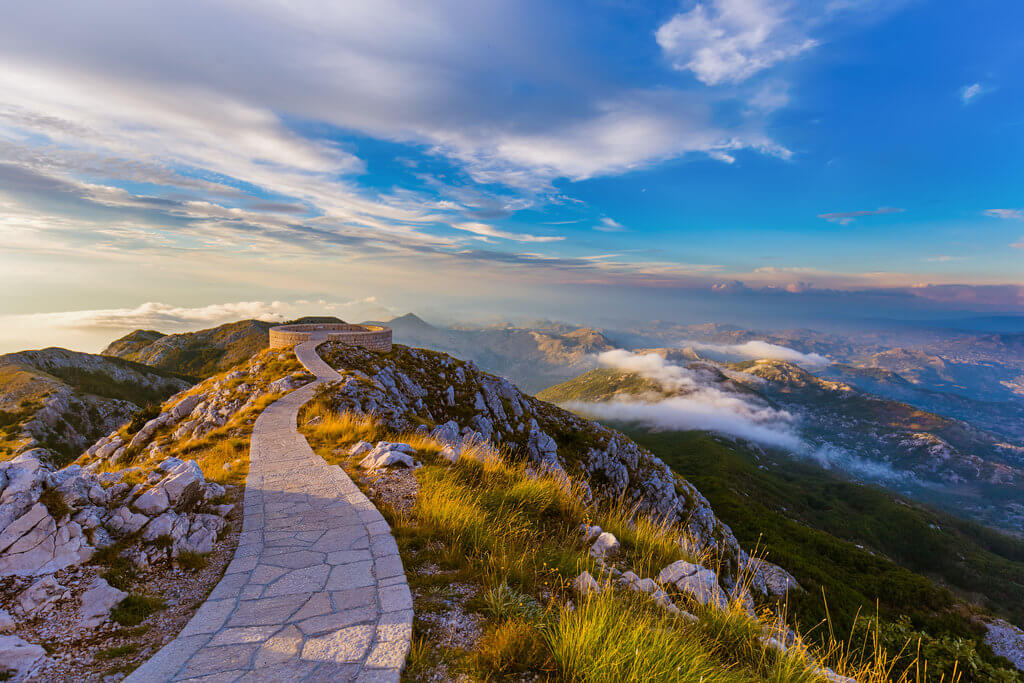
Montenegro is a small country, but it is not a destination you should plan too casually. The coast, the mountains, Lake Skadar, historic towns, beaches, national parks, and scenic roads are all close to each other on the map — yet the travel experience can change completely depending on the season, your transport choices, and how much time you allow between places.
These Montenegro travel tips are designed to help you plan a smoother trip, especially if it is your first time in the country. Montenegro is easy to love, but many travelers underestimate summer traffic, parking, mountain roads, accommodation logistics, and the difference between staying on the coast and exploring inland.
The most important Montenegro travel tip is simple: do not plan your trip only by distance on the map. Montenegro is compact, but mountains, coastal roads, traffic, ferries, parking, and seasonality can make travel times much longer than expected.
🟦 Quick Answer: Essential Montenegro Travel Tips
If you are visiting Montenegro for the first time, these are the key things to know before you arrive.
- Renting a car is often the best way to explore beyond one town.
- Travel times are often longer than distances suggest.
- July and August are beautiful but busy, hot, and more expensive.
- May, June, and September are usually better for balanced trips.
- Parking can be difficult in Kotor, Budva, Perast, and beach areas.
- Cash is still useful, especially for parking, small restaurants, and rural areas.
- The coast and the mountains can feel like two different trips.
- Do not try to visit too many regions in one day.
✦ Montenegro is easy to travel through, but it rewards realistic planning.
🟦 Who Is Montenegro Best For?
Montenegro works for many types of travelers, but it is especially good for people who enjoy scenic variety in a short distance. You can combine old towns, beaches, boat trips, mountain landscapes, national parks, and road trips without needing a long holiday.
- Couples looking for romantic towns and coastal views
- Families who want beaches, boat trips, and short drives
- Road-trippers who enjoy dramatic scenery
- Outdoor travelers interested in lakes, mountains, and national parks
- First-time Balkans visitors who want an accessible introduction
✦ The best trips usually combine the coast with at least one inland or mountain region.
🟦 Best Time to Visit Montenegro
The best time to visit Montenegro depends on what you want from the trip. Summer is the most popular season, but it is not always the most comfortable. The coast is lively and warm, but traffic, prices, and crowds are at their highest. Spring and early autumn are often better for travelers who want a mix of good weather and easier logistics.
1. May and June: Great for Comfort and Lower Crowds
May and June are excellent months for sightseeing, road trips, old towns, national parks, and coastal stays. The weather is usually pleasant, the days are long, and the country feels active without being overwhelmed by peak-season tourism.
- Good for Kotor, Perast, Budva, and Lake Skadar
- Better prices than July and August
- More comfortable for walking and driving
- Less pressure on parking and accommodation
2. July and August: Best for Beaches, Harder for Logistics
July and August are ideal if your priority is swimming, beach clubs, nightlife, and a lively summer atmosphere. But they are also the months when planning matters most. Roads are busier, hotels are more expensive, restaurants are fuller, and parking near old towns or beaches can be frustrating.
- Book accommodation early
- Start day trips early in the morning
- Avoid overly ambitious itineraries
- Expect delays around Kotor, Budva, and Tivat
3. September: One of the Best Months Overall
September is often one of the best months to visit Montenegro. The sea is still warm, the weather is usually pleasant, the crowds are lighter than in August, and road trips become easier. It is especially good for travelers who want beaches, sightseeing, and driving without the most intense summer pressure.
- Excellent for coastal towns
- Good for road trips and national parks
- More relaxed than peak summer
- Still warm enough for swimming in many places
✦ Related guide: Best Time to Visit Montenegro
🟦 Should You Rent a Car in Montenegro?
For many travelers, yes. Renting a car is one of the best ways to explore Montenegro because many of the most beautiful areas are not convenient by public transport. Buses work between major towns, but they are less practical for viewpoints, national parks, lake villages, beaches, and flexible day trips.
A car is especially useful if you want to combine the Bay of Kotor, Budva, Lake Skadar, Durmitor, Lovćen, or multiple regions in the same trip.
- Rent a car if you want flexibility
- Choose a smaller car for narrow roads and parking
- Check insurance carefully
- Take photos before leaving the rental office
- Do not rush mountain drives
✦ Related guide: Renting a Car in Montenegro
🟦 Can You Visit Without a Car?
Yes, you can visit Montenegro without a car, especially if you stay in a major town and use buses, taxis, transfers, or tours. This works best for simple coastal trips, short stays, or travelers who do not want to drive on mountain roads.
However, without a car, your itinerary will be more limited. You may spend more time waiting for transport, miss scenic stops, or rely on organized tours for places like Lake Skadar, Lovćen, or Durmitor.
- Good without a car: Kotor, Budva, Tivat, simple coastal stays
- Harder without a car: Lake Skadar, Durmitor, Lovćen, remote beaches
- Best compromise: stay car-free for a few days, then rent a car for day trips
✦ For a short stay in one town, renting a car for only part of the trip can be enough.
🟦 Getting Around Montenegro
Getting around Montenegro is not difficult, but it is important to choose the right transport method for your itinerary. The country has buses, taxis, transfers, rental cars, boat trips, and organized tours, but not every option works equally well everywhere.
1. Driving Gives You the Most Freedom
Driving is the best option if you want to visit multiple regions or explore places outside the main towns. It allows you to stop at viewpoints, adjust your day depending on the weather, and avoid relying on limited bus schedules.
The main downside is that roads can be narrow, parking can be difficult, and summer traffic can be heavy. If you drive, plan fewer stops per day and allow extra time.
✦ Related guide: Driving in Montenegro
2. Buses Are Useful but Limited
Buses can be useful between major towns such as Kotor, Budva, Tivat, Podgorica, and Herceg Novi. They are usually cheaper than taxis and can work well for simple point-to-point travel.
But buses are not ideal if you want to visit national parks, remote beaches, lake villages, or viewpoints. Schedules can also be less convenient outside peak routes or outside summer.
3. Taxis and Transfers Are Best for Short Distances
Taxis and private transfers are practical for airport arrivals, short hops, or evenings when you do not want to drive. They are less ideal for multi-stop day trips because costs can add up quickly.
- Use transfers for airport arrivals if you do not rent a car immediately
- Ask the price before starting longer taxi rides
- Use trusted providers where possible
- Do not rely only on taxis for a full road trip itinerary
🟦 Choosing Where to Stay
Where you stay in Montenegro has a big impact on your trip. A base that looks convenient on the map may be frustrating if parking is difficult, traffic is heavy, or your day trips require long drives.
For first-time visitors, the most popular bases are usually Kotor, Budva, Tivat, Perast, and sometimes Podgorica or Žabljak depending on the itinerary.
- Kotor: best for history, scenery, and the Bay of Kotor
- Budva: best for beaches, nightlife, and coastal energy
- Perast: best for quiet atmosphere and romantic waterfront views
- Tivat: best for convenience, airport access, and a modern marina feel
- Žabljak: best for Durmitor and mountain stays
✦ For a balanced trip, combine one coastal base with one nature or mountain base.
🟦 Should You Stay in One Place or Move Around?
For short trips, staying in one base can be easier. For longer trips, moving around helps you experience Montenegro more fully. The right choice depends on your pace, whether you rent a car, and how much luggage you have.
If you only have three or four days, choose one base and make day trips. If you have a week or more, consider splitting your stay between the coast and the mountains or Lake Skadar.
- 3–4 days: one base is usually enough
- 5–7 days: one or two bases work well
- 10+ days: split the trip between coast, lake, and mountains
- With a car: changing bases is much easier
✦ Related guide: 7 Days in Montenegro Itinerary
🟦 Practical Travel Tips for Montenegro
Some of the most useful Montenegro travel tips are practical rather than dramatic. Small decisions — where you park, when you start driving, whether you carry cash, or how many stops you plan — can make the difference between a relaxed trip and a frustrating one.
1. Start Early in Summer
In July and August, starting early is one of the easiest ways to improve your trip. You will find easier parking, cooler temperatures, fewer crowds in old towns, and smoother roads for day trips.
- Visit Kotor Old Town early
- Arrive at beaches before the busiest hours
- Start mountain drives in the morning
- Avoid returning to busy coastal roads at the worst times
2. Always Check Parking Before Booking Accommodation
Parking is one of the most underestimated details in Montenegro. In places like Kotor, Budva, Perast, and coastal villages, accommodation may be beautiful but not always easy for drivers.
Before booking, check whether parking is included, nearby, paid, reserved, or simply “available in the area.” These are not the same thing.
- Look for confirmed private parking if you rent a car
- Read recent reviews mentioning parking
- Ask the hotel or host before arrival
- Do not assume old town accommodation has direct car access
3. Do Not Overload Your Itinerary
Montenegro looks easy to cover quickly, but trying to do too much in one day can ruin the experience. A route that includes Kotor, Perast, Budva, Lake Skadar, and a mountain viewpoint may look possible on a map, but it can become rushed and tiring in reality.
Choose fewer places and enjoy them properly. Montenegro is at its best when you leave time for viewpoints, slow roads, coffee stops, boat trips, and unexpected detours.
✦ Related guide: Montenegro Travel Mistakes
4. Carry Some Cash
Cards are widely accepted in tourist areas, hotels, restaurants, and many shops. Still, cash is useful in Montenegro, especially for parking, small cafés, local markets, rural restaurants, boat trips, and places away from the main towns.
- Montenegro uses the euro
- Carry small notes and coins
- Do not rely only on cards in rural areas
- ATMs are easier to find in towns than in remote regions
✦ Related guide: Montenegro Travel Budget
🟦 Tips for Visiting the Coast
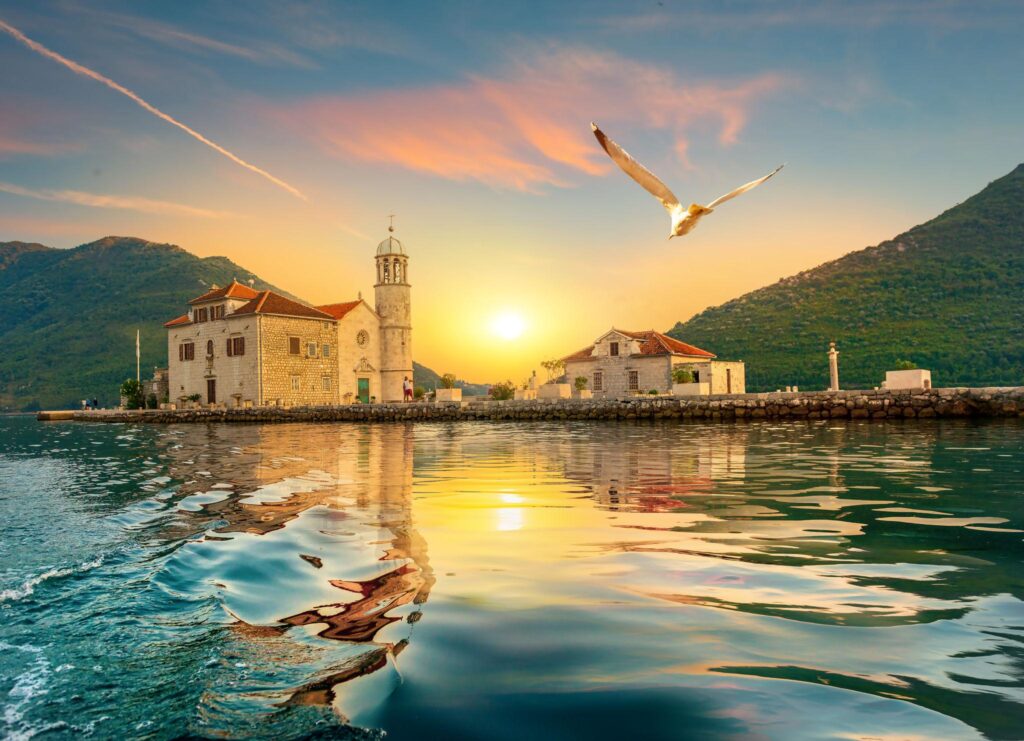
The Montenegrin coast is the most popular part of the country, especially in summer. It includes Kotor, Budva, Perast, Tivat, beaches, marinas, old towns, boat trips, and scenic drives. It is also where crowds, prices, and parking pressure are most noticeable.
- Book early for July and August
- Visit old towns in the morning or evening
- Check whether your accommodation has parking
- Expect traffic around Kotor, Budva, and Tivat
- Use boat trips or short drives to vary the experience
- Do not base the whole trip only on beaches if you want variety
✦ The coast is beautiful, but Montenegro becomes more interesting when you also explore inland.
🟦 Tips for Visiting the Mountains
The mountains show a completely different side of Montenegro. Durmitor, Lovćen, and other inland areas offer cooler temperatures, dramatic landscapes, hiking, canyons, lakes, and scenic roads. But they also require more preparation than the coast.
- Check the weather before leaving
- Bring warmer layers, even in summer
- Start hikes and mountain drives early
- Allow more time than the map suggests
- Do not drive unfamiliar mountain roads too late
- Use proper shoes if you plan to walk or hike
✦ Related guide: Durmitor National Park
🟦 Money, Cards, and Prices
Montenegro uses the euro, which makes budgeting easier for many European travelers. Prices vary a lot depending on the season and location. Kotor, Budva, Tivat, and popular coastal areas are usually more expensive than inland towns and rural areas.
In peak season, accommodation and car rental prices can rise sharply. Restaurants near waterfronts and old towns are often more expensive than places a few streets away.
- Cards are common in hotels and many restaurants
- Cash is useful for smaller expenses
- Coastal areas are more expensive in summer
- Book early for better prices
- Check whether parking is included in your accommodation price
✦ Montenegro can be affordable, but not always cheap in peak coastal season.
🟦 Safety and Common Sense
Montenegro is generally a safe and easy country to visit. Most travelers experience a relaxed trip, especially in the main tourist areas. The main issues are usually practical rather than alarming: traffic, narrow roads, petty theft in crowded places, sun exposure, and outdoor safety.
- Keep valuables secure in crowded areas
- Do not leave bags visible in parked cars
- Use trusted taxis or transfers at night
- Take mountain weather seriously
- Carry water in summer
- Be careful on stone streets after rain
✦ Most problems can be avoided with basic travel precautions.
💡 Quick Packing Tips
What you pack depends on the season and whether you plan to stay only on the coast or also visit the mountains. Montenegro can be hot on the coast and much cooler inland, sometimes on the same trip.
- Comfortable shoes for old towns and viewpoints
- Swimwear and sun protection in warmer months
- Light layers for spring, autumn, and evenings
- Warmer clothes for mountain regions
- Reusable water bottle for drives and hikes
- Phone charger or power bank for navigation
- Small cash for parking and local payments
🧭 First-Time Visitor Checklist
- Choose your airport based on your itinerary
- Decide whether you need a rental car
- Book accommodation with parking if driving
- Plan fewer stops than you think you can fit
- Start early for popular places in summer
- Keep cash for small payments
- Check mountain weather before inland drives
- Leave buffer time before flights and transfers
- Combine coast and nature if your trip is long enough
✦ Related guide: Which Airport to Choose in Montenegro
🟦 FAQ About Montenegro Travel Tips
Is Montenegro easy to travel around?
Yes, Montenegro is relatively easy to travel around, especially if you rent a car. However, mountain roads, summer traffic, and parking can make travel slower than expected.
How many days do you need in Montenegro?
You can see a few highlights in 3 or 4 days, but 7 days is much better for combining the coast, Bay of Kotor, Lake Skadar, and at least one national park.
Do you need a car in Montenegro?
You do not need a car if you stay in one town and use tours or transfers. But a car is highly recommended if you want to explore Lake Skadar, Durmitor, Lovćen, beaches, viewpoints, or several regions.
Is Montenegro expensive?
Montenegro can be affordable outside peak season, but coastal towns are more expensive in July and August. Accommodation, car rental, parking, and restaurants near tourist hotspots can increase the budget.
What is the biggest mistake travelers make in Montenegro?
The biggest mistake is trying to do too much in too little time. Montenegro is small, but roads, traffic, parking, and mountain routes make slower travel more enjoyable.
Is Montenegro better in May or September?
Both are excellent months. May is great for spring scenery and lower crowds, while September is often better for swimming, warmer sea temperatures, and relaxed road trips after peak summer.
🟦 Plan Your Trip
To continue planning your Montenegro trip, check these practical guides:
➜ Plan Your Trip to Montenegro
➜ Which Airport to Choose in Montenegro
🟦 Final Thoughts
Montenegro is one of the most rewarding countries to visit in the Balkans because it offers so much variety in such a compact space. You can explore medieval towns, quiet villages, beaches, lake scenery, mountain roads, national parks, and dramatic viewpoints without needing weeks of travel.
The key is to plan with the country’s geography in mind. Do not rush between too many places, do not underestimate roads or parking, and choose your travel season carefully. With a realistic itinerary and a few practical decisions made in advance, Montenegro can feel smooth, scenic, and surprisingly rich for a relatively short trip.